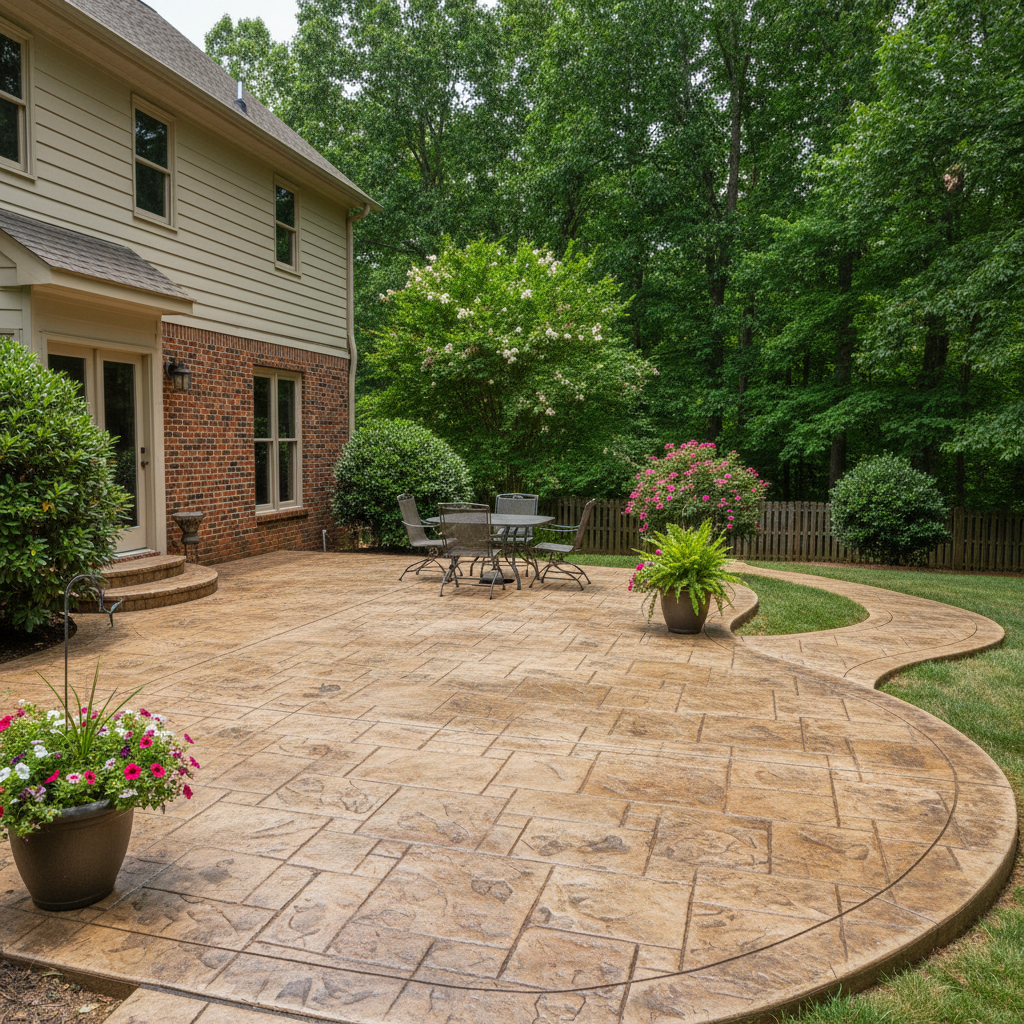
You have beautiful Stamped Concrete, or you are thinking about getting some. This is a smart move for boosting your home's curb appeal as well as adding some real character. But here in Maryville, with our sometimes wild East Tennessee weather, you cannot just pour it and forget it. You have to understand how the seasons impact your Stamped Concrete investment.
When to Schedule Your Stamped Concrete Project
Timing is important when it comes to Concrete Contractor work in Maryville. You want conditions that allow the concrete to cure properly. The concrete should not cure too fast as well as not too slow. The ideal temperature range for pouring Concrete Contractor projects is generally between 50°F and 75°F.
- Spring (March to May): This is often a good time for Stamped Concrete. Temperatures are usually rising from the 50s to the high 70s by May. You have a good window after the last average spring frost date, which is around April 4th here in Maryville. The ground is not frozen, and you are generally avoiding the intense summer heat.
- Fall (September to November): This is another excellent time for Stamped Concrete projects in Maryville. Temperatures cool down from the 80s in September to the high 50s in November. The ground is still warm enough. Our team is usually past the muggiest summer days. It is before the first fall frost, which typically hits around October 28th in Maryville.
- Summer (June to August): Pouring Stamped Concrete is possible in the summer, but it is trickier. Maryville summers are hot and muggy, with July highs averaging 87.6°F. High heat can make concrete cure too quickly. This can lead to a higher risk of cracking as well as reduced strength. If you are pouring in summer, Allied Concrete will often schedule early morning or late evening pours to avoid the peak heat. You will also need extra measures to keep the concrete from drying out too fast.
- Winter (December to February): This is generally a no-go for new Concrete Contractor pours in Maryville. January is our coldest month, with average lows around 29.5°F. Concrete needs to stay above 50°F for proper curing. Below 40°F, the chemical reactions that strengthen concrete almost stop. If the water in the concrete freezes, it will expand and cause cracks. We get some snowfall too, especially in January and February.
Weather Conditions That Affect the Work
It is not just temperature that affects Concrete Contractor work in Maryville. Other factors play a big role in Stamped Concrete projects.
- Rain: Freshly poured concrete is vulnerable to rain. If it rains within the first few hours, it can wash away cement paste. This can weaken the surface as well as create an uneven texture. Allied Concrete always keeps a close eye on the forecast. Our team has protective covers ready if there is any chance of a sudden shower. Maryville gets a fair bit of rain year-round, with summer months seeing slightly more.
- Humidity: High humidity can actually be a good thing for curing concrete. It helps prevent rapid moisture loss. Our humid subtropical climate here in Maryville means we often have decent humidity levels. However, extreme mugginess, especially in July and August, can make working conditions tough. This requires adjustments to the mix as well as the timing for your Stamped Concrete project.
- Wind: Strong winds can accelerate surface drying. This is bad for concrete. It can lead to plastic shrinkage cracking. Allied Concrete will use windbreaks if necessary to protect the fresh pour for your Stamped Concrete.
Protecting Your Stamped Concrete Year-Round
Once your Stamped Concrete is in, the work is not over. You have to protect that investment, especially with our local climate in Maryville.
Sealing is Important
This is probably the most important thing you can do for your Stamped Concrete. Concrete in Maryville takes a beating from our freeze-thaw cycles as well as heavy rain as well as summer heat. A good sealer protects against moisture penetration as well as stains. It also helps prevent pitting as well as flaking.
- Acrylic Sealers: These are usually what Allied Concrete recommends for Stamped Concrete. They really make the colors pop as well as highlight the texture. They typically need reapplication every 2 to 3 years to keep things looking fresh.
- Penetrating Sealers: These soak into the concrete and do not change its appearance. They are great for standard broom-finish concrete. They last 3 to 5 years.
At Allied Concrete, we tailor our sealing recommendations to our local climate in Maryville. This makes sure your concrete holds up year after year.
Winter Care
Our winters are not as harsh as some places. But those freeze-thaw cycles are killers for unprotected concrete. Water gets into tiny pores, freezes, expands, and then thaws. This slowly breaks down the surface. This is why sealing is so important for your Stamped Concrete in Maryville. In addition, be careful with de-icing salts. Some can be really hard on concrete. Allied Concrete recommends sticking to sand or concrete-safe de-icers if you need them. Keeping snow and ice cleared as well as making sure of good drainage also helps a lot.
Summer Maintenance
While the heat itself is not as damaging as freezing, prolonged exposure to intense UV rays can degrade sealers over time. You should keep your Stamped Concrete clean. Sweep off leaves and dirt regularly. If you spill something, clean it up promptly to avoid stains.
Regular Inspections
Walk around your Stamped Concrete a few times a year. Look for any small cracks as well as chips. Also look for areas where the sealer might be wearing thin. Catching small issues early can prevent them from becoming big, expensive problems down the road. If you see anything concerning, give Allied Concrete a call. Our team is ready to help.
Taking these seasonal steps will help make sure your Stamped Concrete patio or driveway stays beautiful as well as strong for many years to come. It is all about understanding what our Maryville weather throws at it and being proactive with your Stamped Concrete care.